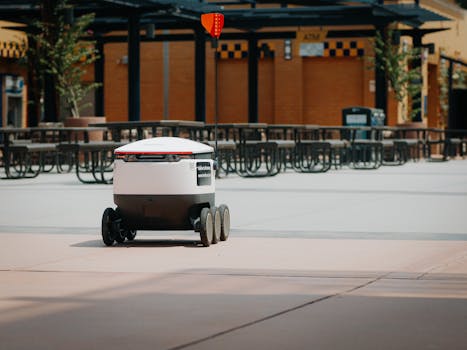
The digital transformation of the ecommerce industry has been nothing short of extraordinary in the past decade. Yet, nothing is shaking up the landscape quite like artificial intelligence (AI). From automated warehouses to hyper-personalized shopping experiences, AI is now at the heart of innovation, propelling ecommerce into a new era of efficiency, convenience, and revenue growth. In this article, we'll explore the groundbreaking ways AI is revolutionizing the ecommerce industry, supported by real-world data, comparisons, and examples that illustrate just how deep this revolution runs.
The Rise of AI in Ecommerce: A Market Overview
AI adoption in ecommerce is accelerating at a breakneck pace. According to Grand View Research, the global AI in retail market was valued at $8.41 billion in 2022 and is projected to reach $45.74 billion by 2030, growing at a compound annual growth rate (CAGR) of 23.9%. This surge is fueled by the technology’s ability to streamline operations, predict trends, and create personalized customer experiences that were unimaginable just a few years ago.
Major retailers and ecommerce platforms—think Amazon, Alibaba, and Shopify—are leveraging AI to optimize everything from inventory management to fraud detection. But the AI revolution isn’t limited to industry giants. Small and medium-sized businesses are also tapping into AI-powered tools for smarter marketing, customer service, and supply chain management.
.png)
AI-Powered Personalization: Beyond Simple Recommendations
Personalization has always been a buzzword in ecommerce, but AI is taking it to new heights. Instead of just suggesting related products, AI-driven systems now analyze individual browsing histories, purchase patterns, and even real-time behaviors to curate shopping experiences that feel tailor-made for each user.
For example, Netflix’s recommendation engine reportedly saves the company $1 billion annually by reducing churn through targeted content suggestions. Similarly, ecommerce platforms like Amazon use AI to recommend products, predict reorder times, and even adjust prices dynamically based on user data and market trends.
Personalized product recommendations can increase average order value by up to 50%, according to a 2023 Salesforce report. AI-driven personalization doesn’t just boost sales—it also increases customer satisfaction and loyalty by making shoppers feel understood and valued.
AI Chatbots and Virtual Shopping Assistants: Redefining Customer Service
Customer service has always been a major differentiator in ecommerce, but AI is rapidly changing the game. AI-powered chatbots and virtual shopping assistants can now handle thousands of customer queries simultaneously, providing instant, accurate, and consistent support 24/7.
Gartner predicts that by 2027, chatbots will become the primary customer service channel for roughly 25% of organizations. These AI agents can answer questions, offer product suggestions, track orders, and even process returns without human intervention.
This not only reduces operational costs—Juniper Research estimates ecommerce businesses could save up to $8 billion per year by 2025 through AI-driven customer service—but also improves response times and customer satisfaction. For example, H&M’s chatbot guides users through outfit choices, style tips, and product availability, enhancing the online shopping journey.
Inventory Management and Supply Chain Optimization with AI
Inventory mismanagement is a costly problem for online retailers. Overstocking can tie up capital, while understocking leads to missed sales. AI is revolutionizing inventory and supply chain management by enabling predictive analytics and automation.
AI algorithms analyze sales data, seasonal trends, and external factors (like weather and social media buzz) to accurately forecast demand. This allows retailers to optimize stock levels, reduce waste, and avoid costly out-of-stock situations. For instance, Walmart uses AI-powered robots in its warehouses to monitor inventory in real time, reducing stock discrepancies by 30%.
AI’s impact on logistics is equally impressive. Machine learning models help optimize delivery routes, predict shipping delays, and automate warehouse operations, resulting in faster, more reliable fulfillment. According to McKinsey, AI-powered supply chain management can reduce logistics costs by up to 15% and inventory levels by up to 35%.
Fraud Detection and Security: AI’s Role in Building Trust
Ecommerce fraud is an ever-present threat, with global losses from online payment fraud expected to surpass $48 billion in 2023, according to Juniper Research. AI is proving to be a powerful weapon in the battle against cybercrime.
Traditional rule-based fraud detection systems are often slow and prone to false positives. In contrast, AI-driven systems use machine learning to detect unusual patterns, flag suspicious transactions, and adapt to new fraud tactics in real time. Visa’s AI-powered fraud detection platform, for example, helped prevent an estimated $25 billion in fraudulent transactions in 2022 alone.
AI also supports biometric authentication methods like facial recognition and voice identification, further enhancing ecommerce security and consumer trust.
Comparing AI Solutions: From Basic Automation to Advanced Intelligence
AI in ecommerce comes in many forms, from simple automation tools to advanced machine learning platforms. The table below compares some of the most common AI solutions used in ecommerce today:
| AI Solution | Primary Use | Key Benefit | Adoption Rate (2023) |
|---|---|---|---|
| Product Recommendation Engines | Personalized Shopping | Boosts average order value | 68% |
| AI Chatbots | Customer Support | 24/7 engagement, cost reduction | 54% |
| Inventory Optimization Tools | Stock Management | Reduces waste, prevents stockouts | 41% |
| Fraud Detection Algorithms | Transaction Security | Prevents losses, builds trust | 36% |
| Dynamic Pricing Systems | Price Adjustment | Maximizes profits, adapts to demand | 29% |
(Source: Statista, Salesforce, and Juniper Research, 2023)
AI-Driven Visual Search and Voice Commerce: The Next Frontier
AI is also transforming how shoppers discover and purchase products. Visual search—where users upload images to find similar products—uses advanced image recognition algorithms to connect customers with relevant items. Pinterest Lens, for example, can identify over 2.5 billion objects across home and fashion pins, making it easier for users to shop directly from images.
Voice commerce is another fast-rising trend. With over 4.2 billion digital voice assistants in use worldwide by the end of 2023 (Statista), more shoppers are using AI-powered devices like Amazon Alexa and Google Assistant to search for products, place orders, and track deliveries hands-free.
These developments are making ecommerce more accessible and intuitive, especially for users who prefer visual or voice interactions over traditional text-based searches.
How AI is Enabling Hyper-Personalized Marketing Campaigns
Traditional marketing relies on broad segments and generic messaging. AI is changing this by enabling hyper-personalized campaigns that target individual preferences, behaviors, and purchase intent in real time.
AI-driven marketing tools can segment audiences based on complex datasets, predict optimal send times for emails, and automate content creation tailored to each user. According to Epsilon, 80% of consumers are more likely to make a purchase when brands offer personalized experiences.
For example, beauty retailer Sephora uses AI to analyze customer data and deliver highly targeted promotions, resulting in increased conversion rates and customer retention. AI also powers predictive analytics, allowing marketers to anticipate customer needs before they arise and proactively engage with relevant offers.
Final Thoughts: The Future of Ecommerce in an AI-Driven World
The impact of AI on the ecommerce industry goes far beyond surface-level improvements. From streamlining logistics and preventing fraud to enabling entirely new ways of shopping, AI is fundamentally reshaping how businesses operate and how customers interact with brands online.
Adoption rates are climbing, and the competitive advantages of AI-powered ecommerce are becoming impossible to ignore. For businesses of all sizes, leveraging AI is no longer just a nice-to-have—it's becoming essential for survival and growth in an increasingly digital world.
As AI technology continues to advance, we can expect even more groundbreaking innovations to emerge, further blurring the line between physical and digital retail, and setting new standards for convenience, personalization, and security.