The Power of Brand Identity in Ecommerce
In today’s digital-first retail landscape, standing out isn’t just about having quality products or a slick website. The true differentiator is brand identity—a potent force that shapes customer perceptions, builds loyalty, and drives growth. As ecommerce competition intensifies, brand identity becomes the heart and soul of a successful online business. But what exactly is brand identity, why does it matter so much, and how does it work its magic in ecommerce? Let’s dive deeper into the transformative power of brand identity in the world of online retail.
Understanding Brand Identity: Beyond Logos and Colors
Brand identity is often confused with simple visual elements like logos, fonts, and color palettes, but it goes much deeper. In ecommerce, brand identity encompasses the entire experience you offer to your customers, from the tone of your messaging to your values, packaging, and even your customer support style.
At its core, brand identity answers three crucial questions: - Who are you? - What do you stand for? - How do you make your customers feel?A strong brand identity creates a clear, consistent impression across every touchpoint. According to a 2022 Lucidpress report, businesses that maintain brand consistency see an average revenue increase of 23%. For ecommerce brands, this means that the strength of your identity directly correlates with your bottom line.
.png)
The Emotional Impact: Building Trust and Loyalty
Ecommerce lacks the personal touch of brick-and-mortar retail, so brand identity fills the gap by forging emotional connections. When shoppers recognize and resonate with your brand, they’re more likely to trust you, return for repeat purchases, and recommend you to others.
Consider these statistics: - 81% of consumers say they need to trust a brand to buy from them (Edelman Trust Barometer, 2022). - Customers with an emotional connection to a brand have a 306% higher lifetime value (Motista, 2020).Successful ecommerce brands leverage identity to create a sense of belonging. Take Glossier, a beauty brand that transformed its customers into a passionate online community. By consistently reinforcing its identity—friendly, inclusive, customer-empowered—Glossier turned shoppers into brand advocates, fueling both sales and organic growth.
Brand Identity as a Competitive Edge
In a crowded marketplace, products and prices can be easily matched, but a distinctive brand identity is much harder to replicate. This unique positioning allows ecommerce businesses to charge premium prices, reduce customer churn, and weather market fluctuations.
Let’s look at a comparison of two ecommerce brands—one with a strong brand identity, and one without:
| Aspect | Brand A (Strong Identity) | Brand B (Weak Identity) |
|---|---|---|
| Customer Recognition | High – instantly recognizable visuals and messaging | Low – generic look and feel |
| Customer Loyalty | Strong repeat business, high lifetime value | Low repeat purchases, high churn rate |
| Marketing Efficiency | Lower cost per acquisition through word-of-mouth and organic reach | Higher spend on paid ads, less organic traction |
| Pricing Power | Can charge a premium for products | Competes mostly on price |
| Resilience to Market Shifts | Stronger, due to loyal customer base | Weaker, vulnerable to competition |
As shown above, the advantages of investing in brand identity are clear and measurable.
Elements of Effective Ecommerce Brand Identity
Building a memorable and effective brand identity requires attention to several key elements:
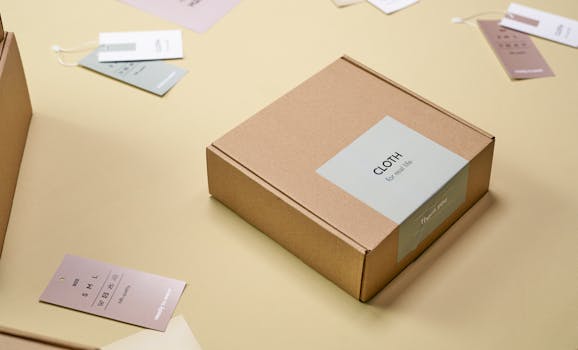
1. Visual Identity: This includes your logo, color scheme, typography, and imagery style. For instance, the bold colors and minimalist design of Warby Parker’s website convey a modern, approachable brand. 2. Voice and Messaging: The tone you use in product descriptions, emails, and social media posts should be consistent and reflect your brand’s personality. Are you playful, authoritative, quirky, or luxurious? 3. Values and Mission: Today’s shoppers, especially Millennials and Gen Z, look for brands that align with their values. According to a 2021 IBM study, 57% of consumers are willing to change their purchasing habits to help reduce negative environmental impact. 4. Customer Experience: From unboxing to customer service, every interaction should reinforce your brand’s identity. Packaging, for example, is an underutilized branding tool; unique packaging can boost repeat purchases by up to 52% (Dotcom Distribution, 2021). 5. Storytelling: Sharing your origin story, product journey, or customer testimonials humanizes your brand and builds rapport.Brands like Allbirds (sustainable footwear) and Gymshark (fitness apparel) demonstrate how a clear, authentic brand identity can turn niche products into global sensations.
Brand Identity and Customer Experience: The Digital Touchpoints
In ecommerce, every digital touchpoint is a branding opportunity. Here’s how brand identity translates across the online customer journey:
- Website Design: A 2023 Nielsen Norman Group study found that users form an opinion about a website within 0.05 seconds. Cohesive branding makes your site memorable and trustworthy. - Social Media: Platforms like Instagram and TikTok are essential for visual storytelling and direct engagement. Brands with a consistent aesthetic and tone see up to 30% higher engagement rates. - Email Marketing: Branded email templates and messaging reinforce recognition and drive conversions. Campaign Monitor reported that emails with consistent branding see click-through rates increase by 18%. - Product Packaging: Even in ecommerce, the physical experience matters. Unique, branded packaging increases unboxing shares on social media and enhances recall.Every touchpoint should consistently echo your brand’s promise and personality, ensuring a seamless, unforgettable customer experience.
Measuring the Impact of Brand Identity in Ecommerce
How do you know if your brand identity is working? The impact can be tracked through a mix of qualitative and quantitative metrics:
- Brand Awareness: Track direct traffic, branded search queries, and social media mentions. - Customer Retention Rate: Strong brand identity typically correlates with higher retention; the average ecommerce retention rate is 28-32%. - Net Promoter Score (NPS): This measures the likelihood of customers to recommend your brand. A high NPS indicates strong emotional connection. - Conversion Rate: Consistent branding increases trust, which can lift conversion rates by up to 33% (Lucidpress, 2022). - Customer Lifetime Value (CLV): As noted earlier, emotionally connected customers are significantly more valuable over time.Regularly surveying your audience and analyzing these metrics will reveal where your brand identity shines—and where it needs refinement.
Conclusion: Turning Identity into Ecommerce Growth
Brand identity isn’t just a marketing exercise—it’s the backbone of every successful ecommerce business. In a world where consumers are bombarded with choices, a strong, authentic identity helps your brand rise above the noise, foster trust, and command loyalty. From visual elements to storytelling, every aspect of your brand should work in harmony to deliver a consistent and engaging experience.
Ecommerce leaders invest in brand identity not because it’s trendy, but because it delivers measurable results: higher recognition, stronger loyalty, better margins, and sustainable growth. Whether you’re launching a new store or revitalizing an established one, remember that your brand identity is your most valuable asset. Use it wisely, refine it often, and let it power your ecommerce success.