In today’s digital marketplace, your ecommerce website is more than just a venue for transactions; it's a crucial platform for defining and expressing your brand identity. A well-designed ecommerce website communicates your brand's values, attracts your target audience, and enhances engagement, making it a key component in your marketing and operational strategy. This article will guide you through the essential steps to leverage ecommerce web design effectively to shape and showcase your brand identity.
Understand Your Brand Identity
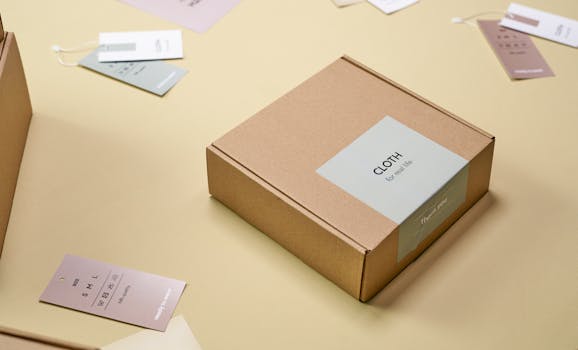
Brand identity encompasses all the elements a company uses to present itself to customers and to stand out in the market. This includes your logo, color scheme, typography, and the overall messaging tone. For ecommerce, where the first interaction often happens online, your website's design is critical in making a memorable impression.
.png)
Start with Core Values
Identifying your brand’s core values is the first step in crafting a website that truly represents your brand. What principles drive your company? Who are you trying to reach? What experience do you want to offer? The answers to these questions should influence every design decision, from site layout to product descriptions.
Design with Your Audience in Mind
Your website should mirror the preferences and expectations of your target demographic. For example, a luxury brand might opt for a design that emphasizes minimalism and quality, using a restrained color palette and high-resolution images to project elegance. Conversely, a brand aimed at millennials might incorporate bright colors, interactive elements, and a more casual tone to resonate with this audience.
Maintain Consistency
Consistency in your website’s design elements like color scheme, typography, and overall layout is crucial across all pages and platforms, including mobile. This uniformity helps enhance brand recognition and trustworthiness among customers.
Optimize User Experience (UX)
The usability of your website plays a vital role in customer retention and satisfaction. A user-friendly site with intuitive navigation, fast loading times, and a straightforward checkout process is key. Additionally, ensuring your site is mobile-responsive is non-negotiable in the current consumer landscape.
Use Visual Storytelling
Leverage high-quality visuals — images, videos, graphics — to tell your brand’s story. These should align with your brand identity and effectively communicate the features and benefits of your products, thereby creating a deeper emotional connection with visitors.
Highlight Your Unique Selling Proposition (USP)
Clearly articulate what sets your brand apart. Whether it’s a unique product feature, a commitment to sustainability, or unmatched customer service, these distinct qualities should be prominent and clear.
Incorporate Social Proof
Integrate customer reviews, testimonials, and ratings prominently on your website. This not only builds trust with potential customers but also significantly influences buying decisions by showcasing the satisfaction of previous buyers.
Consider SEO
While focusing on aesthetic and functional elements, don’t overlook the importance of SEO. A well-optimized website enhances visibility and drives organic traffic, contributing to overall business success. Use relevant keywords, optimize your images, and ensure all content is mobile-friendly.
Embrace Continuous Evolution
The digital landscape is ever-evolving, and so are customer expectations. Continuously updating and refining your website ensures it remains relevant and aligns with both current trends and user needs.
By thoroughly understanding your brand identity and thoughtfully applying these principles, your ecommerce site can become a powerful expression of your brand. It not only serves to attract and retain customers but also plays a critical role in how your brand is perceived in the competitive online marketplace.